Santa Rosa city note
Rows, seasons, and the working landscape
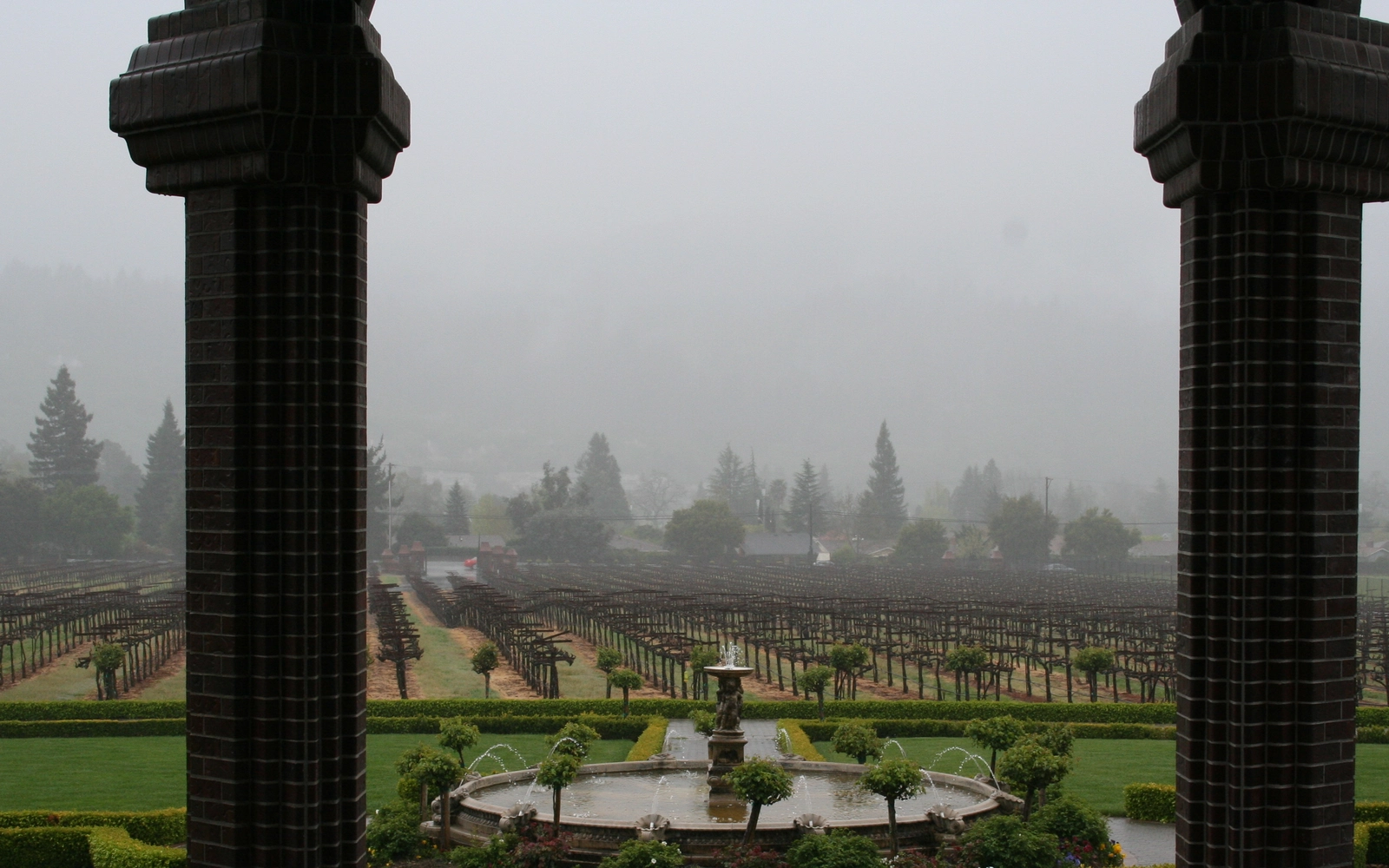
Santa Rosa sits at the urban center of a county widely identified with wine. The City’s current retailer resources describe the community as a place where wine-country character meets regional commerce, while Sonoma County’s official visitor history traces farming, orchards, and vineyards through successive periods of settlement and growth. Those sources support a specific point: the landscape is productive land, not merely a backdrop.
Look past the postcard
Vineyard rows reveal a schedule. Pruning, irrigation, harvest, equipment movement, seasonal labor, and weather all arrive on different calendars. A household near that activity may share roads with trucks or farm machinery without participating in the business itself. A residence with vines on the parcel may be a home, a hobby property, or an agricultural operation. Those distinctions belong in the application rather than in a guess based on scenery.
Write down the real use
An insurance review starts with occupancy, construction, roof age, heating, electrical updates, detached structures, access, acreage, animals, business activity, and any equipment kept at the address. Home coverage generally does not convert into farm or commercial protection merely because a parcel includes productive plants. Conversely, a city address is not automatically free of unusual exposures. The California Department of Insurance residential guide recommends comparing coverage forms, limits, deductibles, exclusions, and replacement-cost provisions instead of shopping on premium alone.
Keep a seasonal record
Photograph buildings and major belongings, save improvement receipts, and note changes in use before renewal. If a room becomes short-term lodging, a detached building becomes a studio, or vehicles begin serving a business, report the change. After a loss, a dated inventory can help explain what existed and where it was kept. The vineyard lesson is simple: conditions change by season, and a useful insurance file changes with them.
Sources: City of Santa Rosa retailer resources; Sonoma County history; California residential insurance guide.
Separate place from prediction
Regional identity is not an underwriting shortcut. Two homes with the same postal city can differ in construction, access, water supply, slope, occupancy, and distance from emergency services. A useful review names those facts and lets the carrier apply its filed rules. It does not assign an address-level conclusion from a photograph of nearby vines.
Ask before a property crosses categories
Small changes can carry large contractual consequences. Storing business stock, hiring seasonal help, boarding an animal, hosting paid events, or renting a cottage may move an exposure outside ordinary household assumptions. Bring the proposed activity to the insurer before it begins, keep the written answer, and check that declarations and endorsements reflect the accepted use.
A concise renewal worksheet can list parcel use, structures, household drivers, stored equipment, and planned changes. Date it, compare it with the declarations, and ask about any mismatch. The worksheet is not an application or policy; it is a disciplined way to make the next conversation more accurate.