Santa Rosa city note
A museum built around the original line
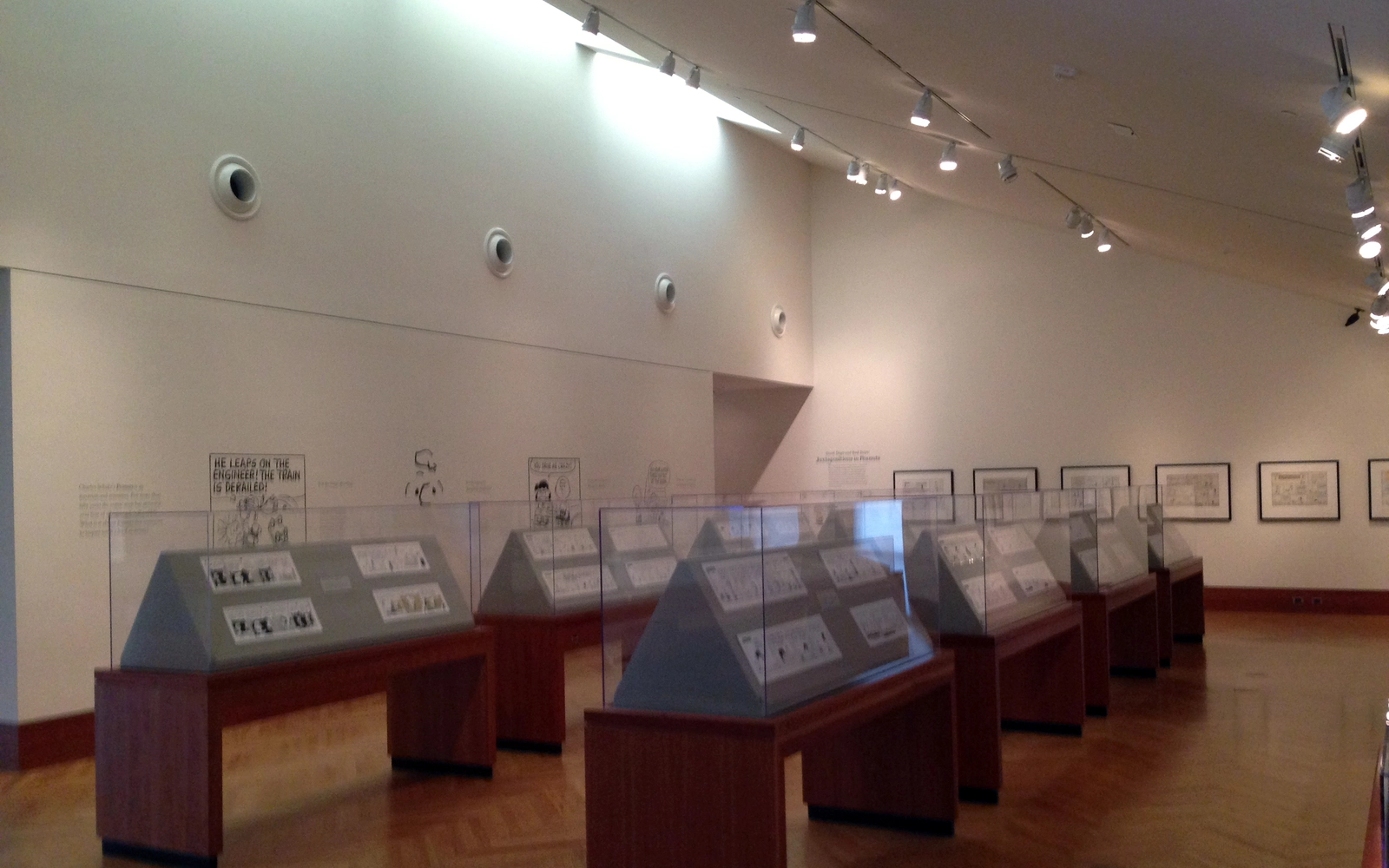
The Charles M. Schulz Museum says its mission is to preserve, display, and interpret the art of the creator of Peanuts. Its Santa Rosa galleries center on original comic strips, documentary material, and changing exhibitions. The institutional emphasis is not just fame; it is stewardship of physical works and the context that makes them meaningful.
An inventory is more than a total
Household collections can include drawings, books, instruments, sports equipment, jewelry, memorabilia, or inherited objects. Start with photographs, descriptions, dates, serial numbers, receipts, and professional appraisals where appropriate. Store a copy away from the property. A list made after a loss is harder to reconstruct and easier to dispute.
Standard limits may not fit
Home policies may apply special limits, exclusions, valuation rules, or deductibles to particular categories. A scheduled endorsement or separate contract may offer different terms, but it must be requested and accepted. Ask how the insurer values a one-of-a-kind item, what documentation it requires, whether accidental breakage is covered, and whether property away from home receives the same protection.
Conservation and security are separate questions
Good storage can reduce damage without changing the contract. Light, humidity, water, pests, and handling can affect paper and other sensitive objects. Security measures can matter too, but neither careful storage nor an alarm guarantees coverage. The California Department of Insurance advises consumers to make a home inventory and understand the limits and exclusions in their residential policy. The museum lesson is practical: preserve the object, preserve its record, and confirm how the policy would respond before a loss.
Sources: Charles M. Schulz Museum; Museum FAQ; California residential insurance guide.
Ask how value will be established
Purchase price, replacement cost, market value, and agreed value are different concepts. For an item with a thin market, current appraisal evidence may be especially important. Confirm whether the contract requires scheduled descriptions, periodic valuations, protective devices, or notice before an item travels or is loaned.
Plan for ordinary movement
Collections are handled, displayed, cleaned, inherited, sold, and sometimes transported. Ask whether coverage follows an object away from the residence and what packing or transit exclusions apply. When an item leaves the household permanently, update inventories and schedules so the policy record does not continue describing property that is gone.
When a collection has emotional as well as financial importance, make a recovery plan that does not depend on insurance alone. Identify conservators, safe storage, digital copies, and family contacts. Then keep the policy schedule and appraisal dates with that plan, clearly separated from the objects themselves.
Revisit the inventory after gifts, inheritances, sales, framing, restoration, or a move. Each change can affect both physical care and the accuracy of a schedule. A dated photograph with a short description is more useful than an unlabeled folder whose contents no one can place.
For inherited pieces, add who supplied the description and where supporting documents can be found. Provenance may affect value, while a simple family note can keep future reviewers from confusing an original, a reproduction, and an ordinary household copy.