Santa Rosa city note
A small home, a large experimental record
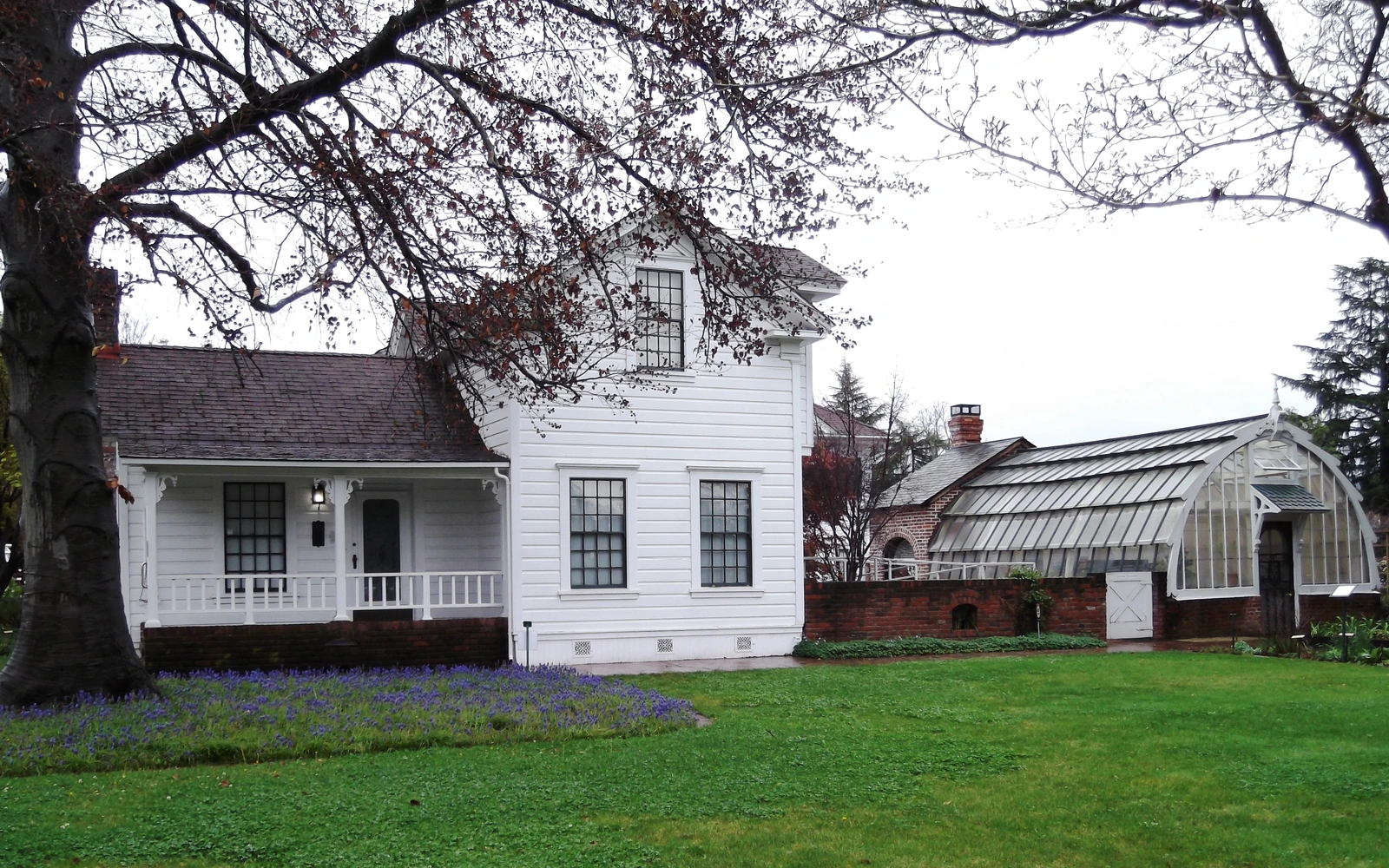
Luther Burbank lived in Santa Rosa for more than fifty years, and the organization preserving his Home & Gardens describes the site as the place where he conducted much of his plant-breeding work. The surviving house, greenhouse, gardens, and records make an intimate campus out of a broad scientific legacy. It is a useful reminder that ordinary-looking property can hold specialized work, tools, specimens, and history.
Purpose changes the exposure
A greenhouse used for household seedlings is different from a structure used for sales, employees, or frequent visitors. A shed that holds garden tools differs from one that stores business equipment. An insurance application should say what each structure is, how it is built, whether it has utilities, and how people use it. Labels such as “garden” or “studio” are too vague when they hide the activity that matters.
Improvements need evidence
Homeowners often update roofs, wiring, plumbing, heating, kitchens, drainage, fencing, or accessory buildings gradually. Keep contracts, permits, receipts, model numbers, and photographs together. Tell the insurer about material changes rather than waiting for a claim. The California Department of Insurance explains that replacement-cost and actual-cash-value provisions can produce different outcomes, and that consumers should review limits and exclusions in the issued contract.
Separate living space from enterprise
If a household sells plants, teaches classes, hosts customers, or stores inventory, ask how the policy treats that activity. A home policy may limit property used for business and liability arising from commercial operations. The right answer depends on the facts and the written form, not on whether the activity feels small. Burbank’s Santa Rosa story shows why a precise record matters: a modest place can support work whose value and purpose are not visible from the curb.
Sources: Luther Burbank biography; Luther Burbank Home & Gardens; California residential insurance guide.
Make the record understandable to someone else
A household file should work even when the person who chose the materials is unavailable. Label photographs by room and date, keep contractor contacts with invoices, and explain unusual equipment in plain language. Store a copy away from the property. Clear records help a licensed professional quote accurately and help the household explain a later claim without relying on memory.
Review limits after successful projects
Renovations can increase both value and complexity. Imported tile, custom cabinetry, upgraded mechanical systems, landscape structures, and specialized glass may cost more to replace than the old description assumes. Completion is the moment to update the insurer, not simply the moment to put away the receipts.
Garden work also changes with weather and age. If irrigation, retaining walls, large trees, or hired maintenance create new questions, document them without guessing at coverage. The useful habit is to translate a familiar place into clear facts that another reader can verify.
A brief year-end note should identify unfinished work, new garden equipment, and planned structural changes. Keeping those facts visible prevents a successful project from quietly outgrowing the description used at the last renewal.